Razor clam digging near Raymond WA
A practical, source-linked guide to razor clam digging near Raymond — which WDFW beaches are closest, licenses and daily limits, and why you must check current open dates before you drive to the sand.
Do not rely on old calendars. Washington Department of Fish & Wildlife (WDFW) sets recreational razor clam openings beach by beach, and marine toxin testing can postpone or cancel digs with little notice. Always start here and re-check the morning you leave:
- WDFW — Razor clam seasons and beaches (current schedule and beach map)
- WDFW emergency rules and domoic-acid updates linked from that same page
- Washington Department of Health shellfish safety information linked from WDFW when toxin levels are discussed
This page explains the structure of the fishery and nearby logistics. It intentionally does not list dig dates — those change too often for a static lodging site to stay accurate.
Which beaches are near Raymond?
WDFW manages recreational razor clams on five major coastal zones (see the official map on the page above):
- Long Beach — Columbia River north to the mouth of Willapa Bay
- Twin Harbors — Willapa Bay north to the south jetty at the mouth of Grays Harbor (Grayland / Westport corridor)
- Copalis — north jetty of Grays Harbor to the Copalis River
- Mocrocks — Copalis River to the south boundary of the Quinault Indian Reservation
- Kalaloch — farther north in Olympic National Park country
From Raymond, the closest management beaches for most guests are Long Beach (south via US 101 / the peninsula — roughly 70 minutes under normal conditions) and Twin Harbors via SR 105 toward Grayland and Westport (roughly 50–60 minutes). Treat drive times as planning estimates only. Confirm the specific beach named in WDFW’s announcement — digging on a closed beach can result in a fine.
Day-trip context: Long Beach guide · Grayland guide · Westport guide.
How openings work (and why toxin tests matter)
WDFW explains that seasons are built from summer stock assessments and a Total Allowable Catch for each beach. Tentative calendars are common, but a dig proceeds only after final marine toxin testing shows clams are safe to eat under Washington Department of Health guidelines. Domoic acid (from certain marine algae) can delay or close beaches even when tides look perfect. WDFW notes that toxin levels can change rapidly — check emergency rules before you travel.
As of our November 2, 2026 check of WDFW’s razor clam page, digs at Long Beach and Twin Harbors were postponed until further notice due to elevated marine toxin levels, while limited openings had been announced for other beaches. That status can change; use the live WDFW page, not this paragraph, as your go/no-go.
License, daily limit, and gear basics
- Daily limit: 15 razor clams per person; no minimum size (WAC 220-330-010). Diggers must keep the first 15 clams they dig, regardless of size or condition (broken or small clams still count and may not be returned to the beach) — per WDFW’s Pacific razor clam species page.
- License: Diggers age 16 and older need a valid razor clam license, or a shellfish/seaweed license, or a combination license that includes shellfish. Youth 15 and younger do not need a fishing license per WDFW licensing guidance, but adults digging with them still need their own. Buy through WDFW license types and fees or a license dealer — confirm current fees on that page.
- WDFW’s razor clam page notes you need a clam shovel or specialized tube, a container, and your license. Keep each digger’s clams in a separate container and dig only your own limit unless you hold a qualifying designated-harvester authorization.
- WDFW says the most successful digging is usually one to two hours before the listed low tide. Fall/winter low tides often fall in the afternoon/evening; digs may be limited to noon–midnight windows when announced that way — read the specific opener.
Beach driving & coastal etiquette
On Seashore Conservation Area ocean beaches where vehicles are allowed, the speed limit is 25 mph, pedestrians have the right of way, and ATVs/UTVs are not allowed. WDFW asks fall diggers to drive carefully on the uppermost hard-packed sand near the high-tide line to avoid crushing clam beds and buried female Dungeness crab, and to avoid blocking beach approaches. Soft sand after summer build-up can trap vehicles. You do not need a Discover Pass to drive or park on the ocean beach itself, but you do need one for many state park lots near the beach. Sources: SCA rules · Discover Pass exemptions · WDFW razor clam page.
Dress for wind, rain, and night digs (lanterns/flashlights). Check surf and weather forecasts — WDFW specifically asks diggers to prepare for fall and winter conditions.
Stay in Raymond between digs
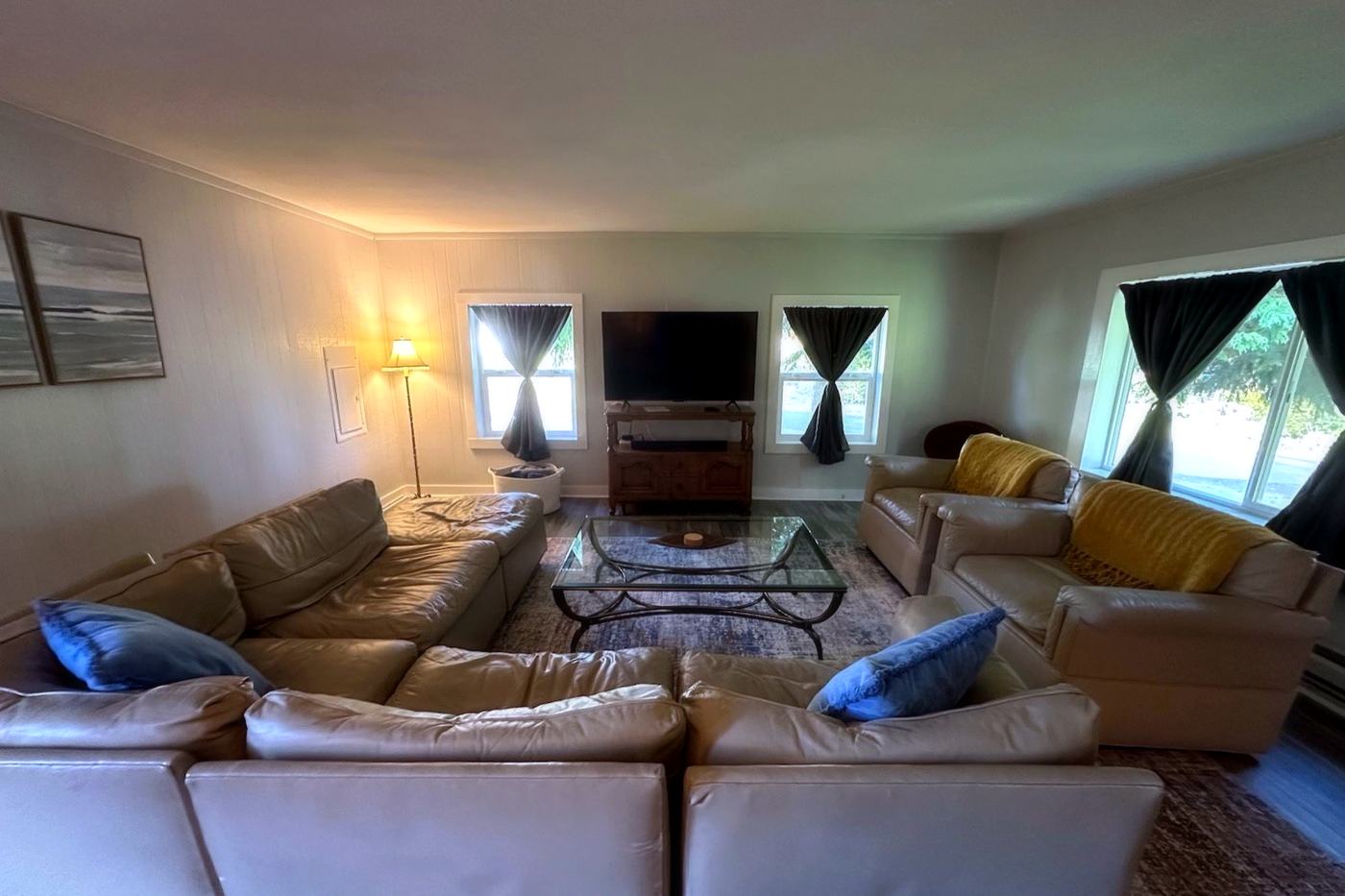
Hill Top Hideaway is an updated licensed short-term rental operated by Hope and Grace LLC in Raymond, WA: three bedrooms, sleeps six, full kitchen for cleaning and cooking clams (when harvest is legal and safe), about a five-minute walk to the Willapa Hills Trail. It is a calm inland base when evening digs run late on the coast.
Stay nearby at Hill Top Hideaway
Planning a clam-digging trip when WDFW opens nearby beaches? Book our updated 3-bedroom home in Raymond, WA (Pacific County) on Airbnb or Vrbo — operated by Hope and Grace LLC.
Last checked against official public sources on November 2, 2026 (America/Los_Angeles). Openings, toxin status, fees, and rules change — always re-check WDFW before you go.